Home to the Living Systems Collective Community!

ANNOUNCING THE LAUNCH OF OUR APPS
Now Available on the
Apple App Store
Explore the newest additions to Forgotten Rain.


LATEST RELEASE
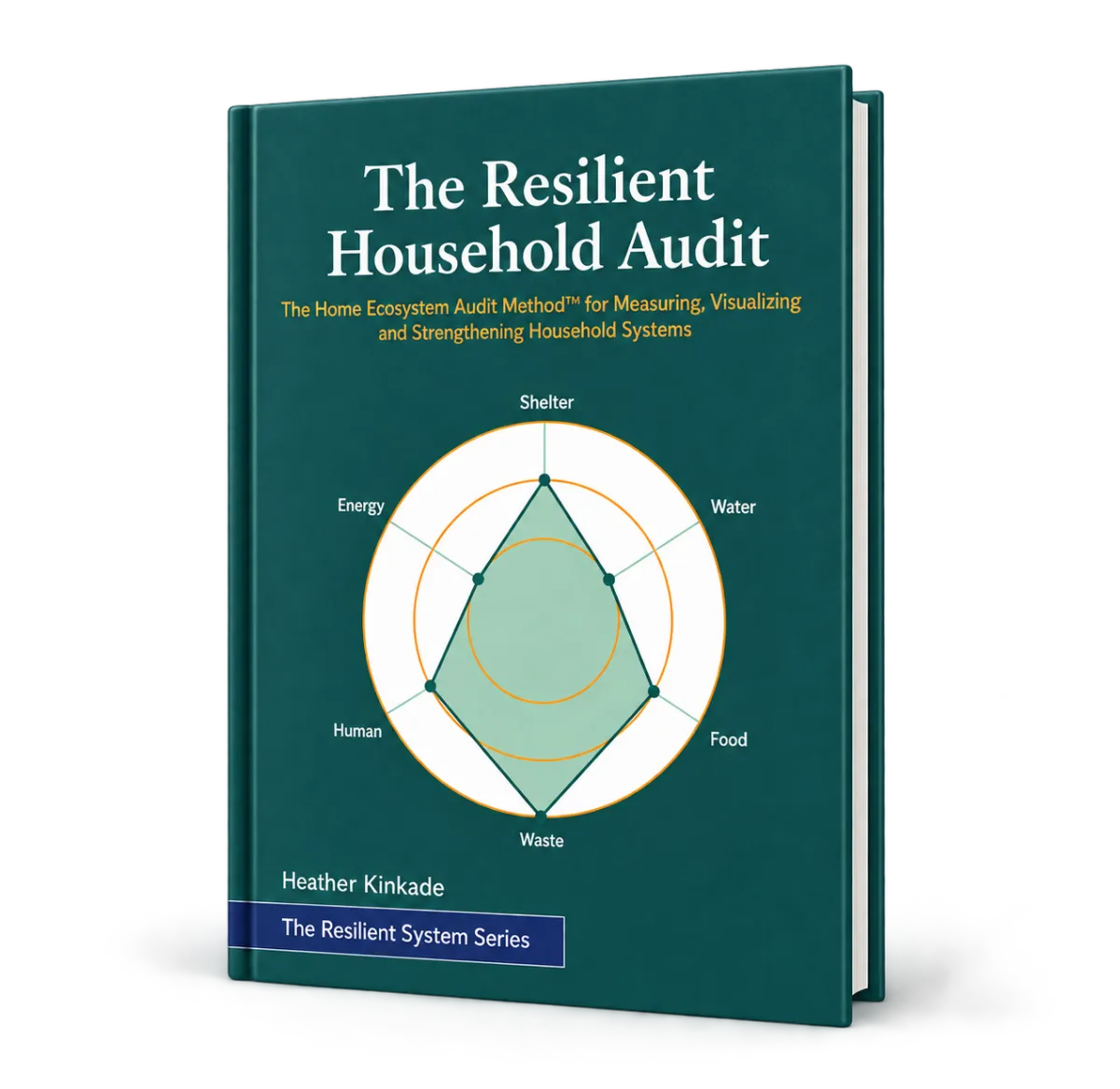
The Resilient Household Audit
The Home Ecosystem Audit MethodTM for Measuring, Visualizing and Strengthening Household Systems.
See your household as a connected ecosystem. Discover how water, energy, food, shelter, waste, and human needs work together, and where changes can build lasting resilience.

Heather Kinkade, Author and Founder
Connected Systems. Lasting Capacity.
At Forgotten Rain, our work begins with a simple understanding: water, food, shelter, energy, land, and human well-being are connected. What we do in one part of a living system affects the others.
Our books, educational programs, and emerging tools help people recognize those connections and turn them into practical action. From strengthening a household’s essential systems to coordinating water use across a community, we ask a shared question:
What capacity do our decisions leave behind?
Does an improvement help a household meet its needs? Does it support healthier soil, more reliable water access, or local food production? Does it build the knowledge and relationships needed to sustain those benefits?
These questions connect the work of Forgotten Rain and its developing Living Systems Collective.
Each project offers an entry point into understanding and strengthening the systems that support everyday life.
Earthwicking — Begin with connection.
Earthwicking invites people to slow down, engage with nature, and develop a more attentive relationship with the living world. It offers a personal starting point for awareness, well-being, and stewardship.
The Resilient Household Audit — Understand the home ecosystem.
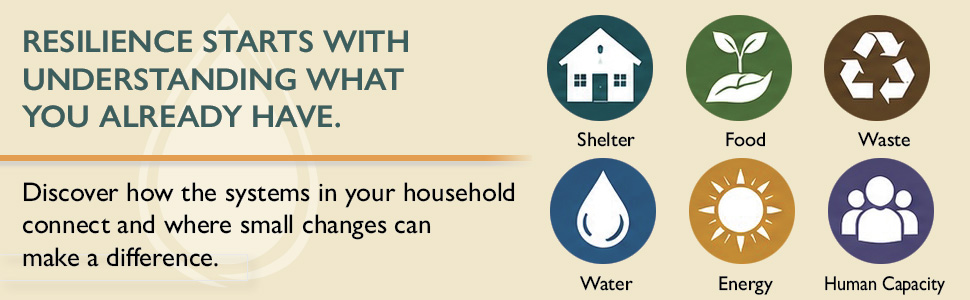
The Home Ecosystem Audit Method™ helps households examine shelter, water, food, energy, waste, and human capacity. It turns broad concerns about resilience into visible gaps, practical priorities, and manageable actions.
Cascade Water Cycling — Make water decisions as a system.
The Cascade Decision Method™ guides users through Inventory™, Characterize™, Match™, Treat™, and Recover & Return™. It helps identify available water sources, match water quality to appropriate uses, consider treatment needs, and plan reuse and return pathways. Its purpose is to strengthen water decisions across households, properties, businesses, and communities.
Food Forest Rebels — Connect food, land, and stewardship.
Food Forest Rebels explores how gardens and food forests can support food access, ecological care, shared knowledge, and community participation. It connects the act of growing food with the capacity of people and landscapes to thrive over time.
Neighborhood and Community Resilience — Bring the connections together.
Our developing work at neighborhood and community scales examines how individual actions and shared resources can reinforce one another. Water storage, food production, energy, communication, and local knowledge become parts of a coordinated approach to maintaining essential functions.
COMING SOON!
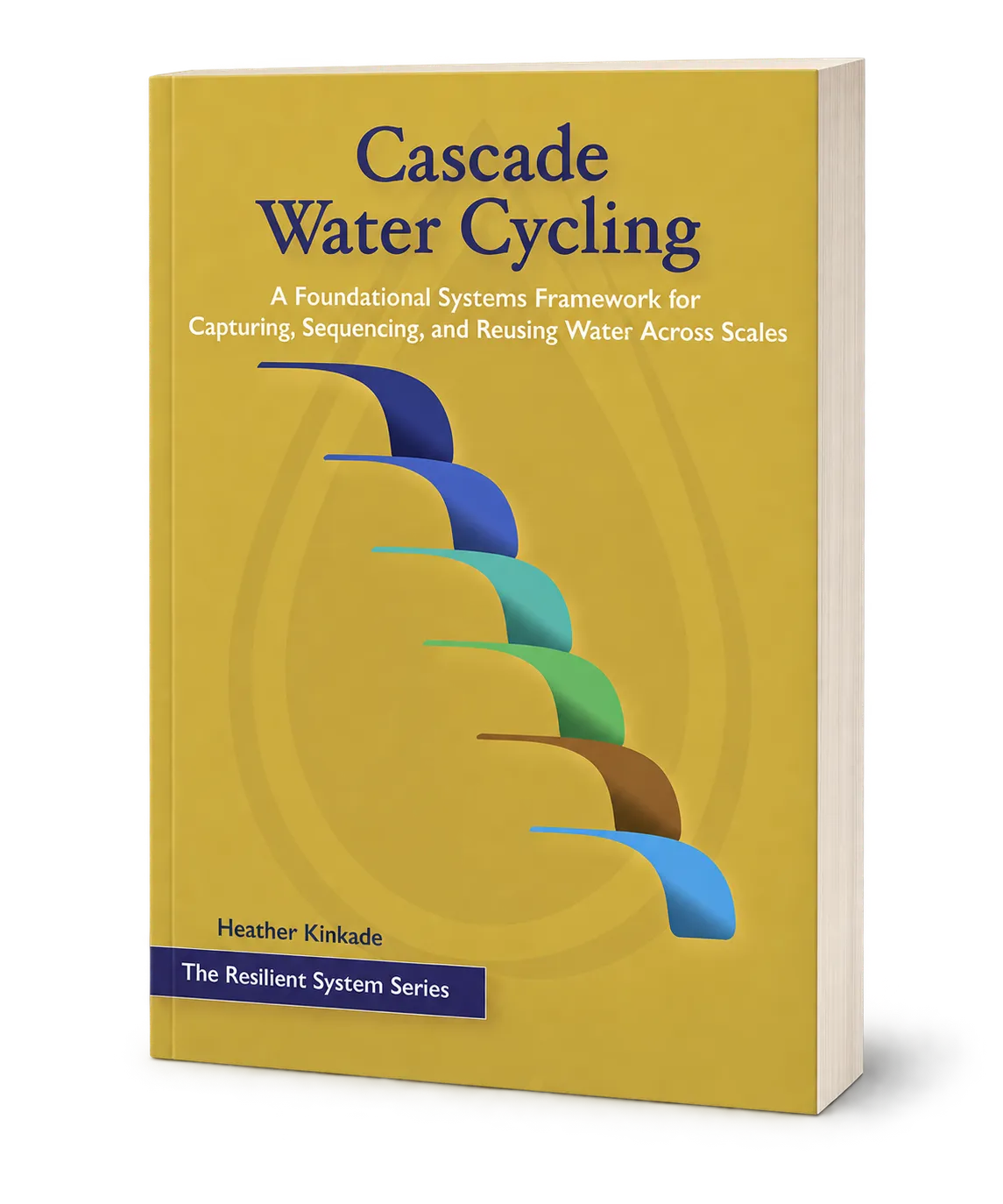
Cascade Water Cycling
A Practical Guide to Capturing, Treating, and Reusing Water for Resilient Communities
Cascade Water Cycling is more than a concept, it is a usable system.
It answers the critical question missing from today’s water conversations:
What should happen to this water next?
When we redesign how water moves, we don’t just conserve it, we multiply its value.
Subscribe for Updates on New Releases
You’ll only receive occasional updates. Unsubscribe at any time.
Published Titles
Cascade Water Cycling
Cascade Water Cycling introduces a new way of thinking about water, not as something consumed, but as something continuously reassigned to its highest remaining value. While many frameworks promote water reuse, circular systems, and sustainability, they often stop short of explaining how water should actually move through real systems. This book fills that gap.
Coming Soon!
The Resilient Household Audit
This book provides a practical method for evaluating the systems that support your home, including shelter, water, food, energy, waste and human well-being. It helps you identify strengths, uncover vulnerabilities and take manageable steps toward a more resilient household.
Kindle and Paperback

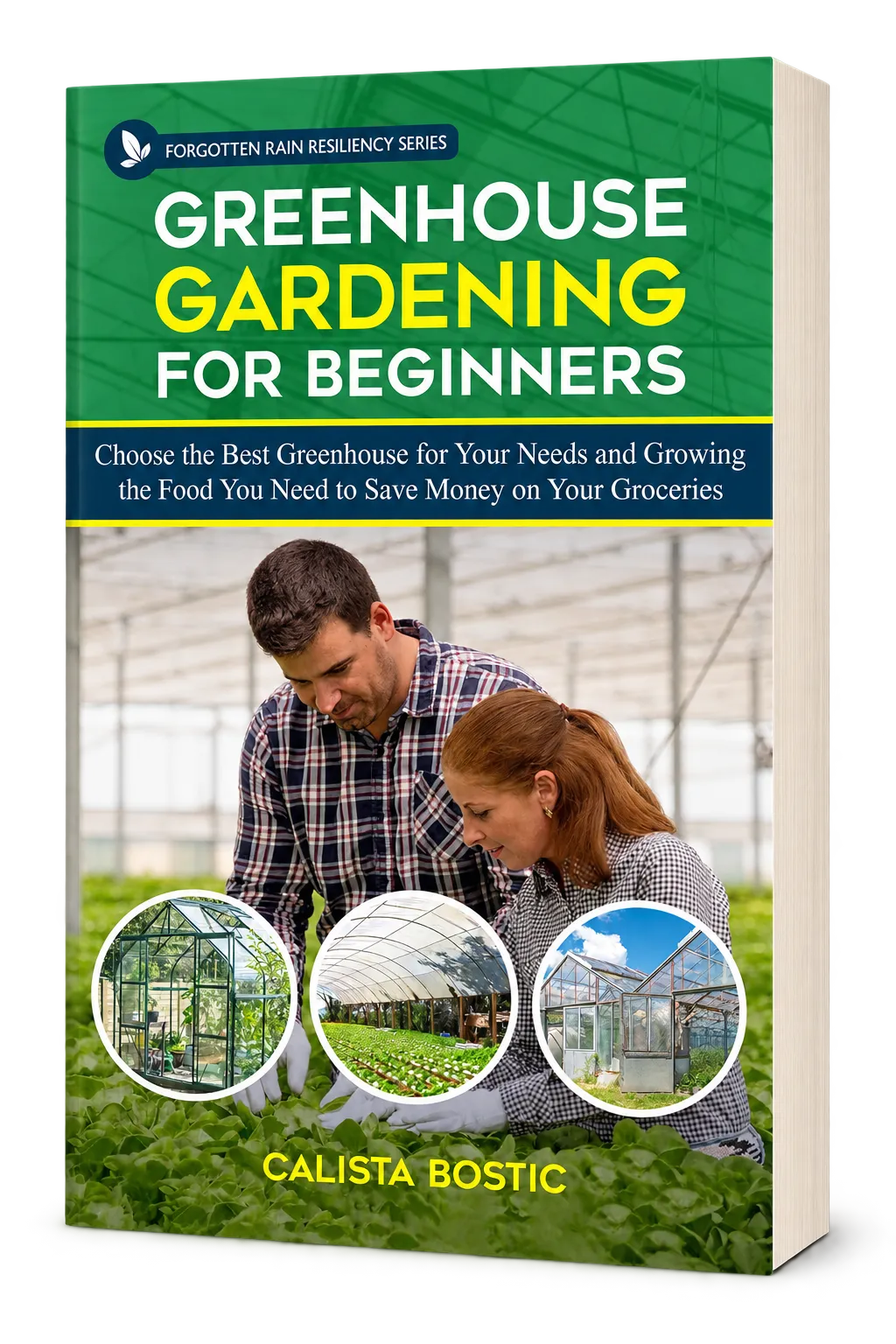
Greenhouse Gardening for Beginners
Learn how to select a greenhouse that fits your space, climate and growing goals. Practical guidance helps new gardeners extend the growing season, raise healthy plants and produce more food at home.
Kindle, Paperback and Hardcover
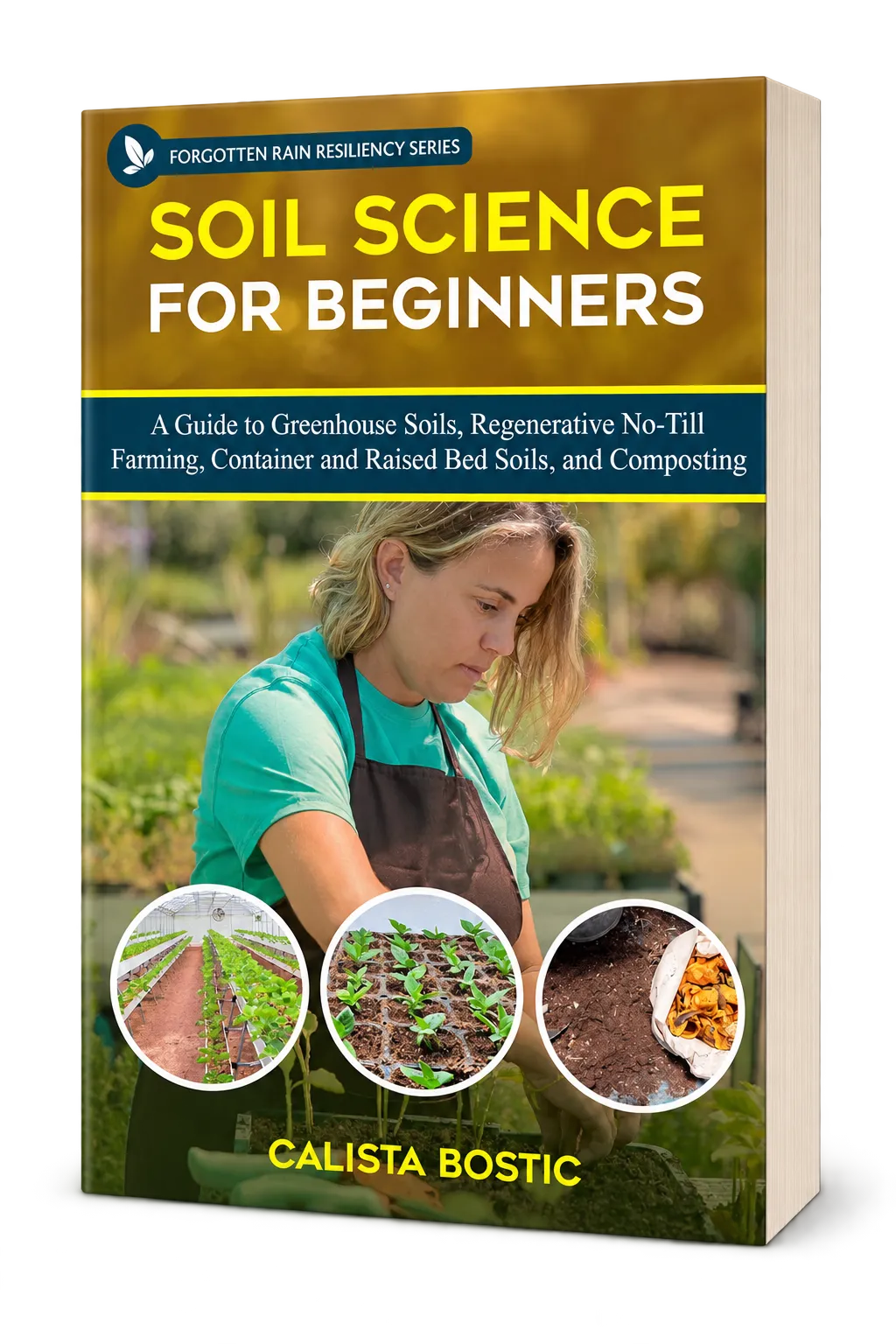
Soil Science for Beginners
Build a practical understanding of soil health for greenhouses, containers, raised beds and regenerative no-till gardens. Readers learn how soil structure, compost and organic amendments work together to support healthier plants.
Kindle, Paperback and Hardcover
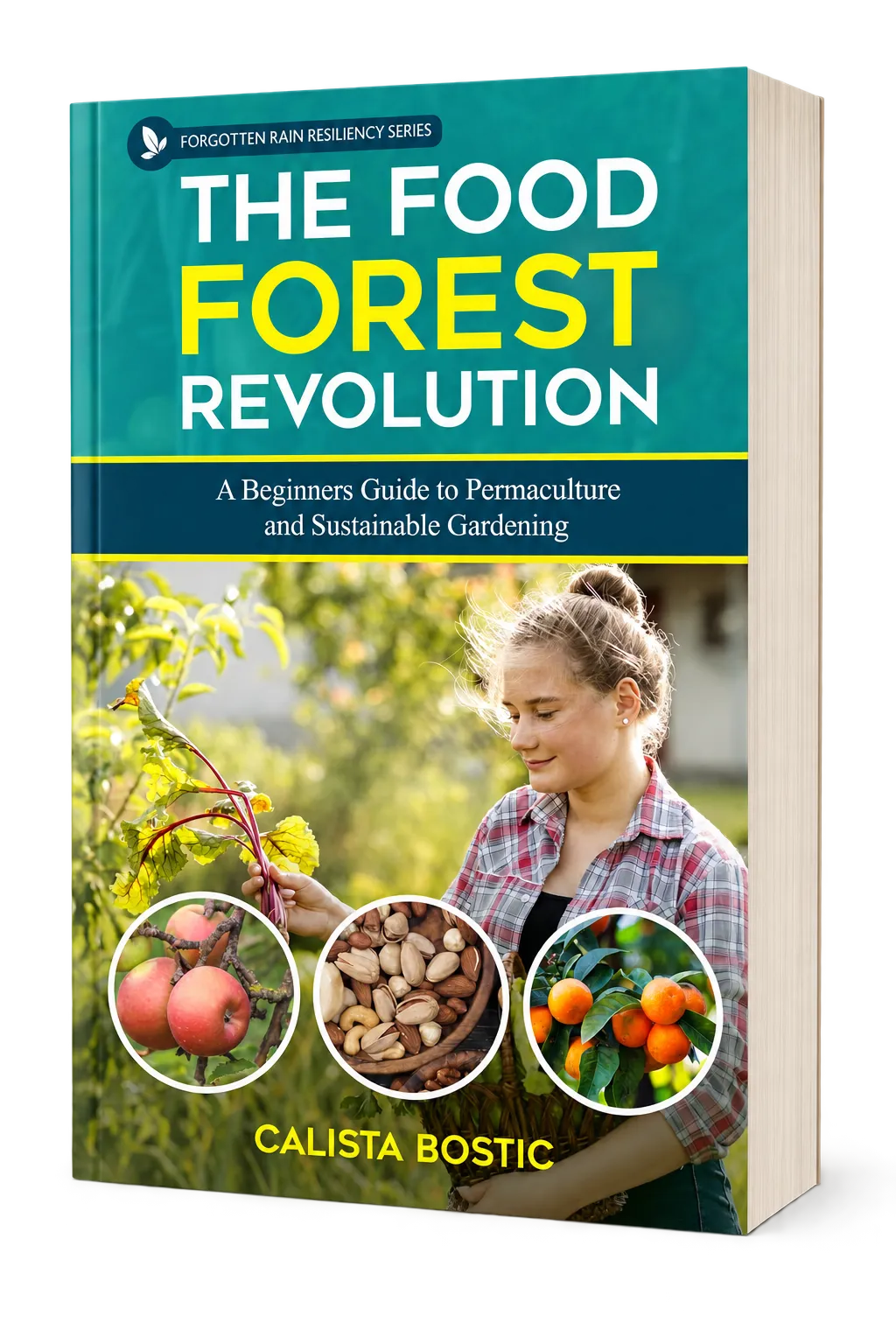
The Food Forest
Revolution
Learn how to create a productive, resilient landscape by applying permaculture principles and observing how natural ecosystems function. The book introduces beginners to food forests, sustainable gardening and interconnected plant communities.
Kindle, Paperback and Hardcover
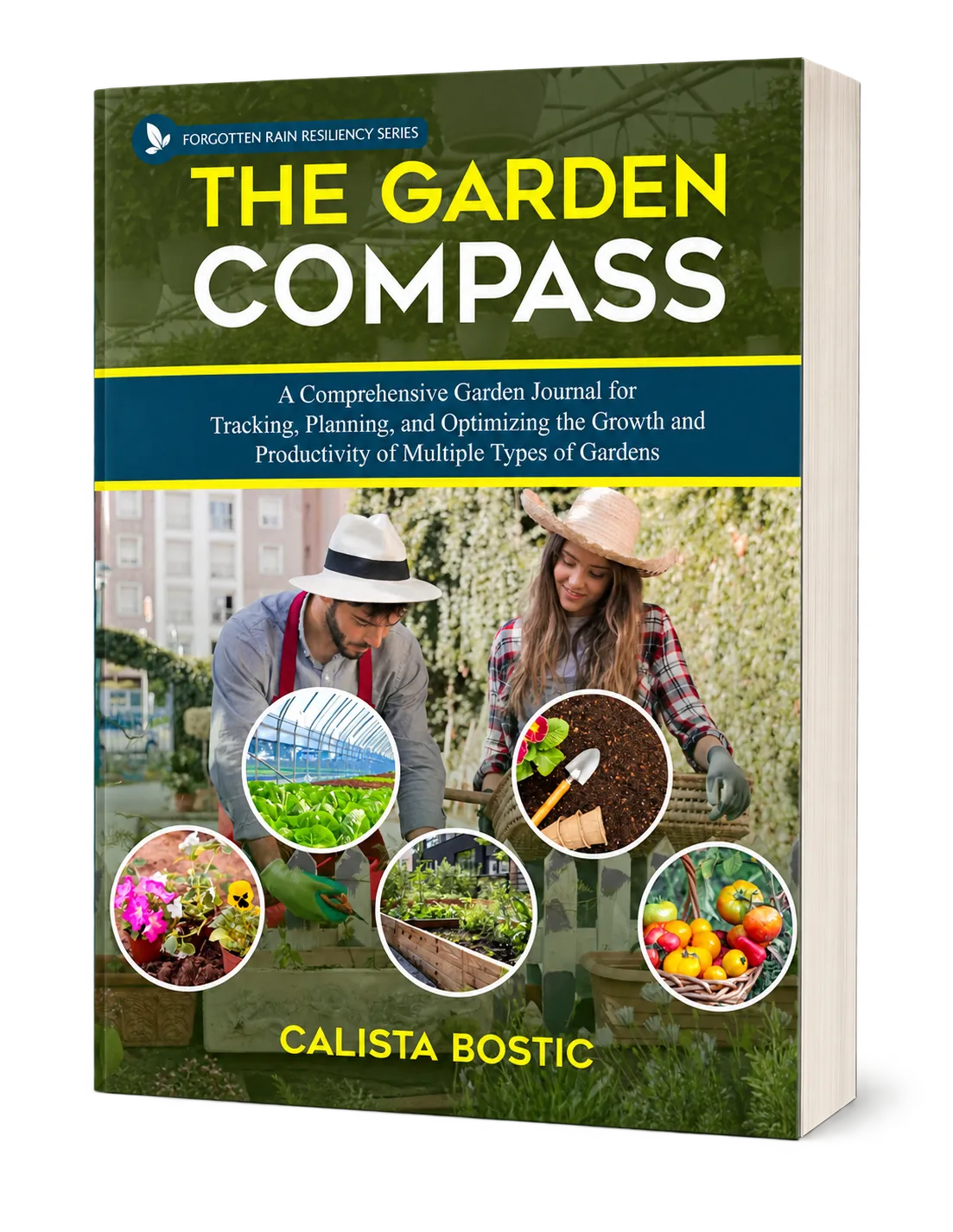
The Garden
Compass
A comprehensive gardening journal for planning, tracking and improving different types of gardens. Its organized recordkeeping system helps gardeners recognize patterns, evaluate results and make better growing decisions from season to season.
Kindle, Paperback and Hardcover
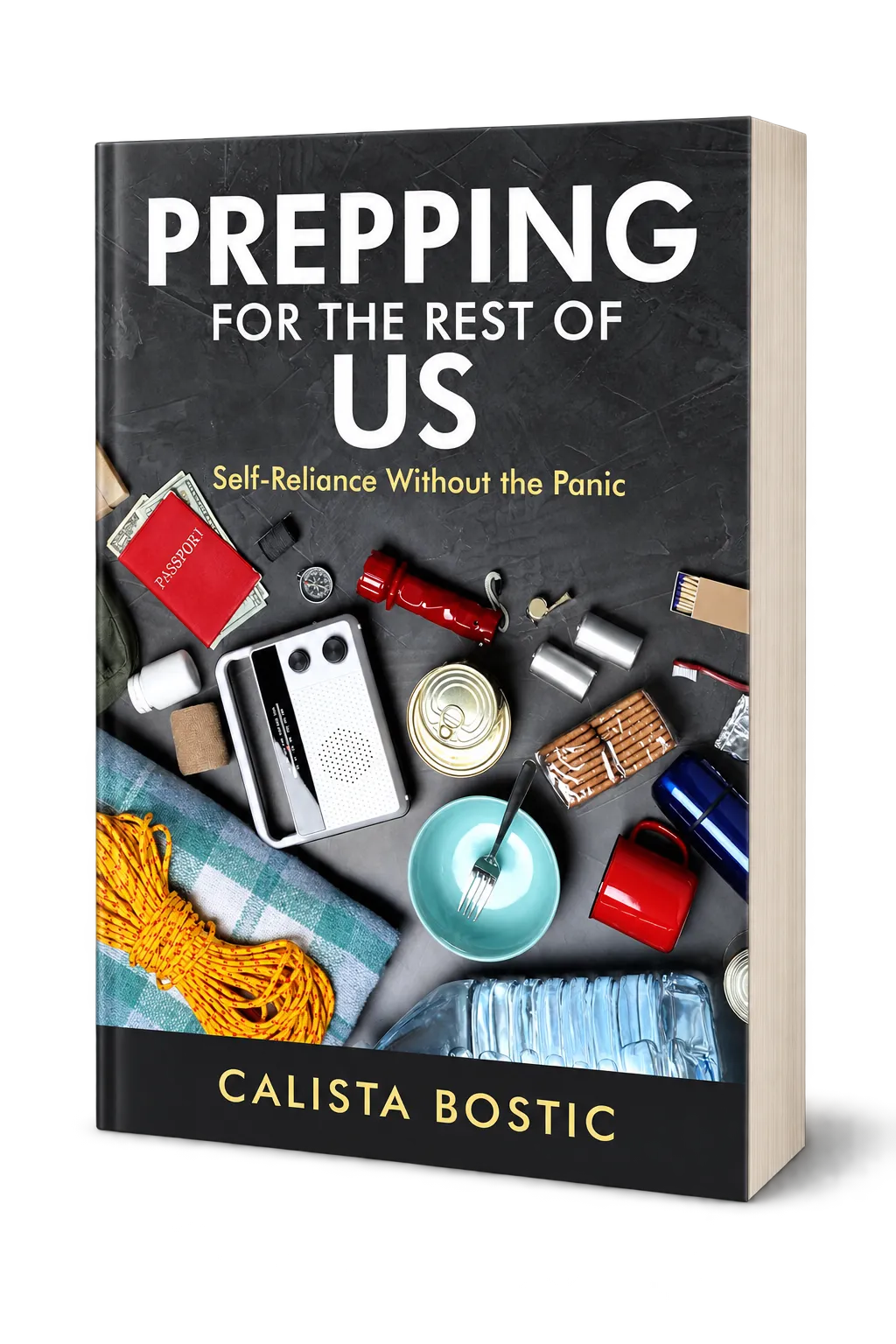
Prepping for the Rest of Us: Self-Reliance Without the Panic
A practical, approachable guide to preparedness that focuses on useful skills and thoughtful planning rather than fear. Readers can strengthen household resilience gradually through realistic, manageable actions.
Kindle, Paperback and Hardcover
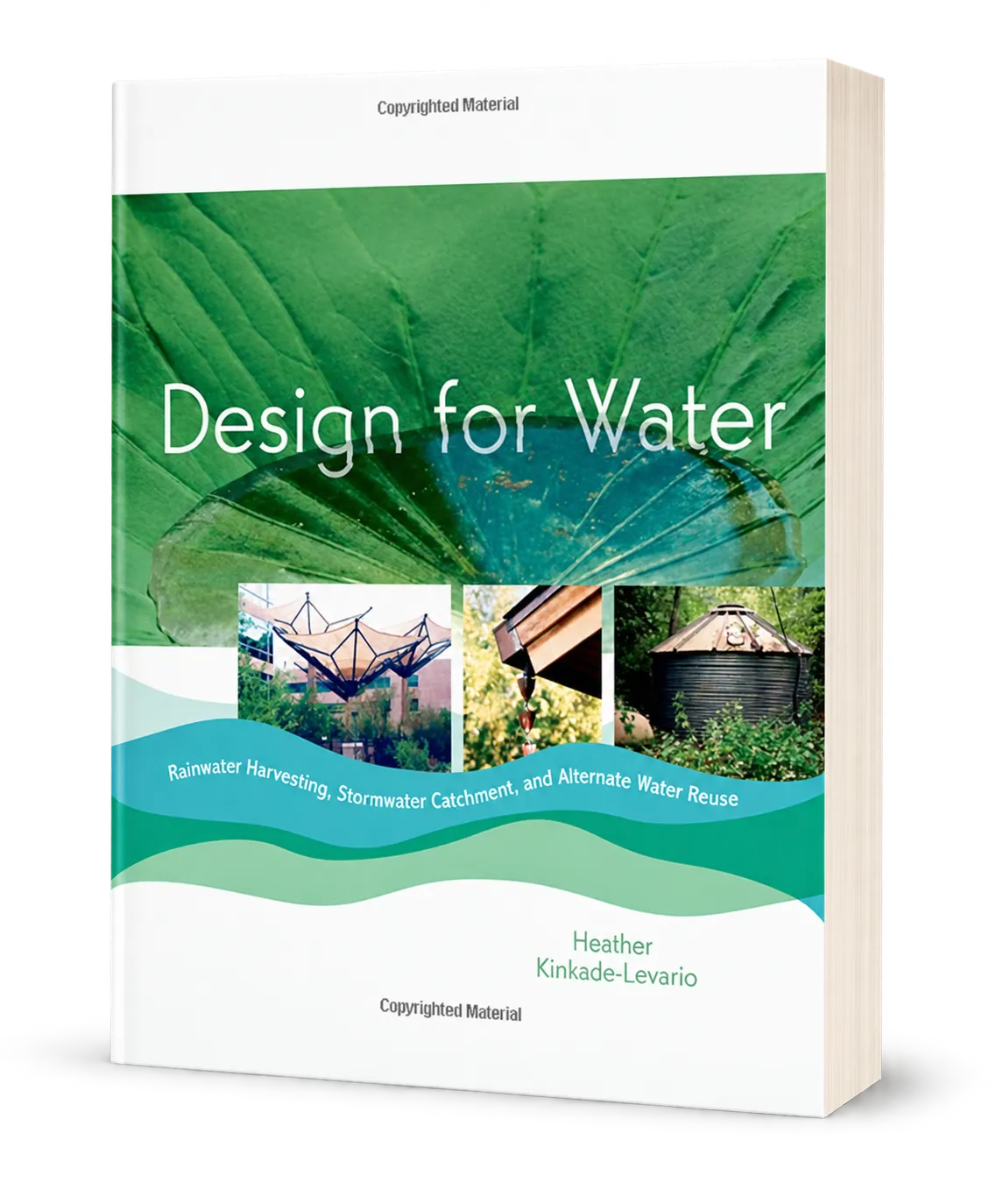
Design for
Water
A comprehensive guide to collecting, storing and reusing water across residential, commercial and community settings. It covers rainwater harvesting, stormwater reuse, graywater, filtration and passive and active water systems.
Kindle, Paperback and Hardcover
Welcome to the Living Systems Collective Community!


Subscribe for Updates
FOLLOW US


